3D Printing Customization Storm Sweeps PC Accessories Market: MacBook Case Sales Surge 200% Year-on-Year
The global PC accessories market is undergoing a revolutionary shift driven by 3D printing technology, with MacBook protective cases emerging as a standout category. According to the latest sales data, customized MacBook cases leveraging 3D printing saw a staggering 200% year-on-year growth in Q1 2025—a clear sign of seismic changes in consumer preferences and manufacturing practices.
The Rise of Personalized Demand
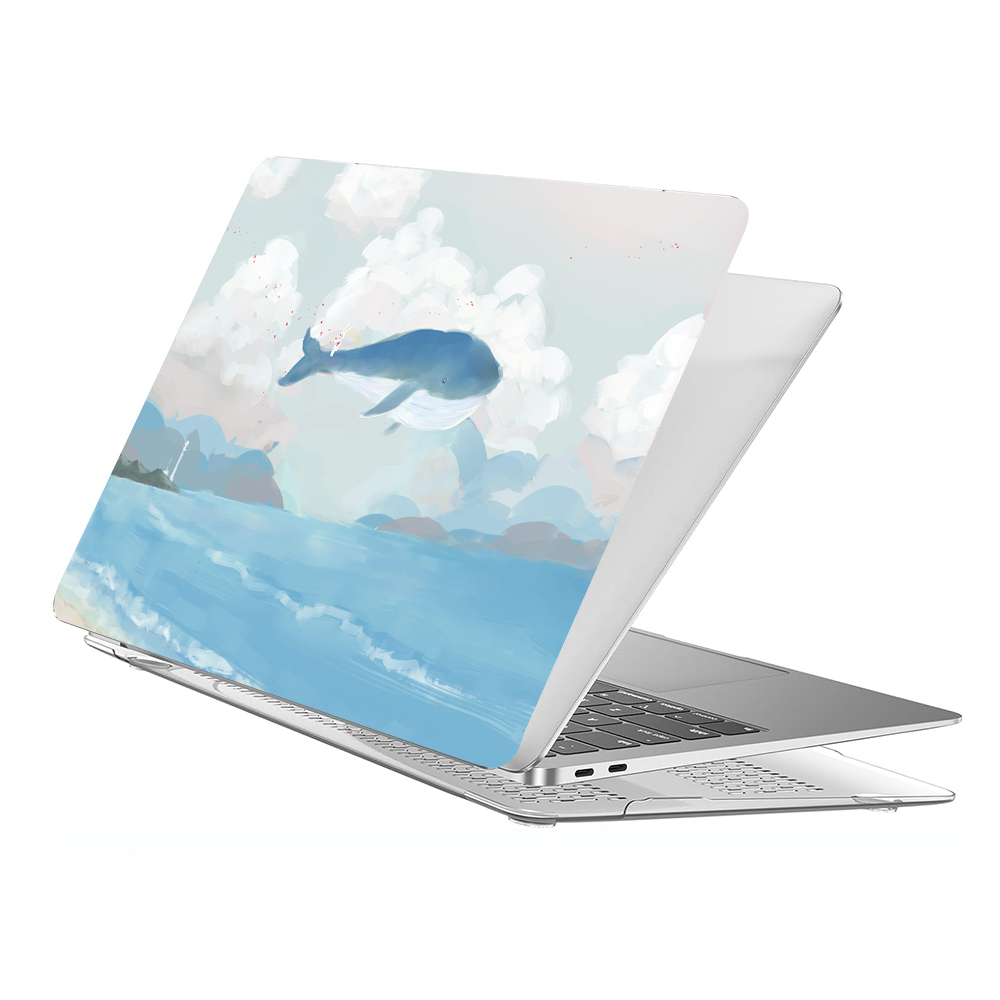
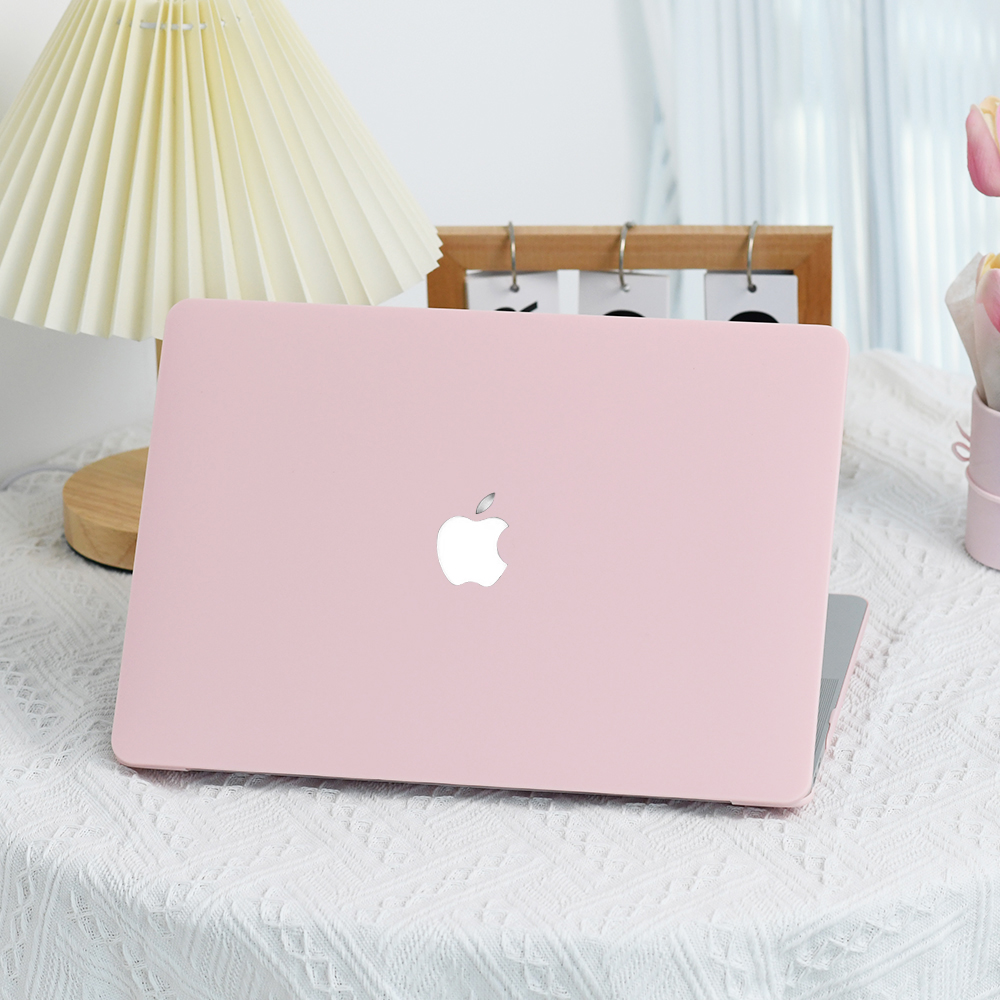
Traditional one-size-fits-all protective cases are being overshadowed by bespoke designs tailored to individual aesthetic tastes and functional needs. E-commerce platforms such as Amazon and Temu now dominate sales rankings with 3D-printed cases compatible with MacBook models including the Air M3/M4, Pro 14/16-inch, and legacy devices. For example, the top-selling case on Temu—priced at $25.1 and with over 20,000 units sold—features precision-fitted designs for Apple’s latest M4 chipset, combining an ultra-thin profile with customizable engravings.
3D Printing: Fueling Innovation and Sustainability
Advanced additive manufacturing has enabled rapid prototyping, reduced material waste, and facilitated eco-friendly production. Brands like JUNCHI now integrate biodegradable TPU and self-healing polymers into their 3D-printed cases, aligning with global sustainability goals. Meanwhile, Chinese manufacturers lead in cost-effective solutions: cases priced under 50 RMB (approximately $6.9) account for 60% of total sales, appealing to budget-conscious yet style-driven consumers.
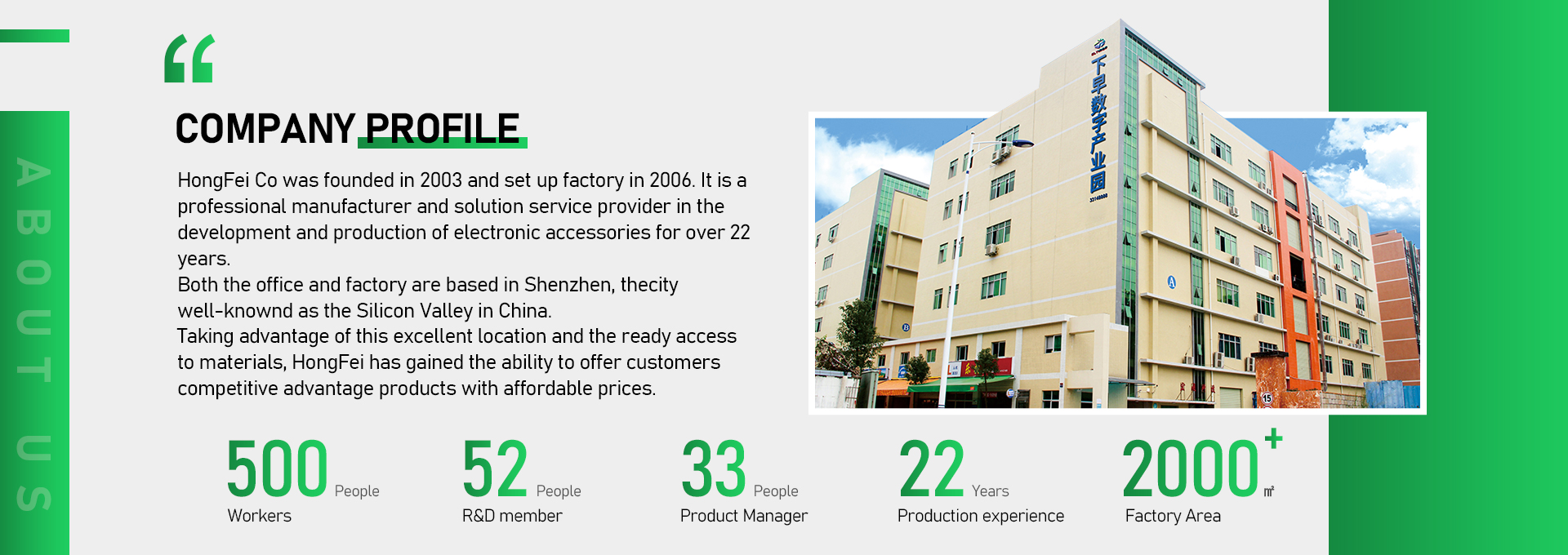
Hongfei: 3D Printing Transformation Sample for Traditional Injection Molding Manufacturers
Amid this technological revolution, Shenzhen Hongfei Xingye Technology Co., Ltd. (Hongfei)—a veteran manufacturer with years of experience in durable protective case production—has achieved a breakthrough through innovation. The company recently launched an eco-friendly line of 3D-printed MacBook protective cases, which use recycled polymer materials and combine traditional craftsmanship with the flexibility of 3D printing. These cases offer customizable textures and shock-absorbing structures. Its flagship product, the “rigid-flex composite shell” (featuring a hard outer shell and a silicone inner layer), has gained widespread acclaim in European and American markets, becoming a benchmark solution that balances light weight and protective performance.
Challenges and Opportunities
While the market booms, challenges persist. Standardization of 3D printing materials and intellectual property disputes over design templates remain key hurdles. However, collaborations between tech giants and startups—such as the aerospace-grade material R&D partnerships highlighted in the Wohlers Report 2025—are paving the way for technological breakthroughs. Traditional manufacturers like Hongfei are also exploring alliances with universities to develop biodegradable 3D printing resins, aiming to reduce environmental impact while maintaining product durability.
Conclusion
The 200% surge in MacBook case sales underscores a broader trend: 3D printing is no longer a niche technology but a cornerstone of the consumer electronics ecosystem. As customization and sustainability become non-negotiable for buyers, brands that innovate in speed, affordability, and eco-consciousness—from agile startups to adaptable industry veterans like Hongfei—will dominate this dynamic market.