Innovative Privacy Screen Protectors Gain Popularity in Japan and South Korea
As global concerns over digital privacy escalate, two cutting-edge computer privacy screen models—magnetic privacy protectors for laptops/tablets and hanging acrylic versions for desktops—are dominating sales in Japan and South Korea. Lauded for their user-friendly installation and adaptive designs, these products embody the industry’s shift toward balancing convenience and versatility in personal data protection.
Industry Overview
The global privacy screen market has experienced robust growth in recent years, driven by rising cybersecurity threats and increasing demands for workplace privacy. Traditional privacy protectors, once limited to smartphones, now cater to larger devices such as laptops and monitors. Key industry trends include:
Material Innovation: PET (polyethylene terephthalate) remains popular for its lightweight and scratch-resistant properties, while acrylic variants are gaining momentum due to their superior durability and optical clarity.
Installation Simplicity: Consumers are increasingly favoring reusable, tool-free solutions over adhesive-based films, reducing environmental waste.
Multi-Device Compatibility: Products tailored to diverse screen sizes—from tablets to ultrawide monitors—address the evolving needs of modern workspaces.
Spotlight on Trending Products
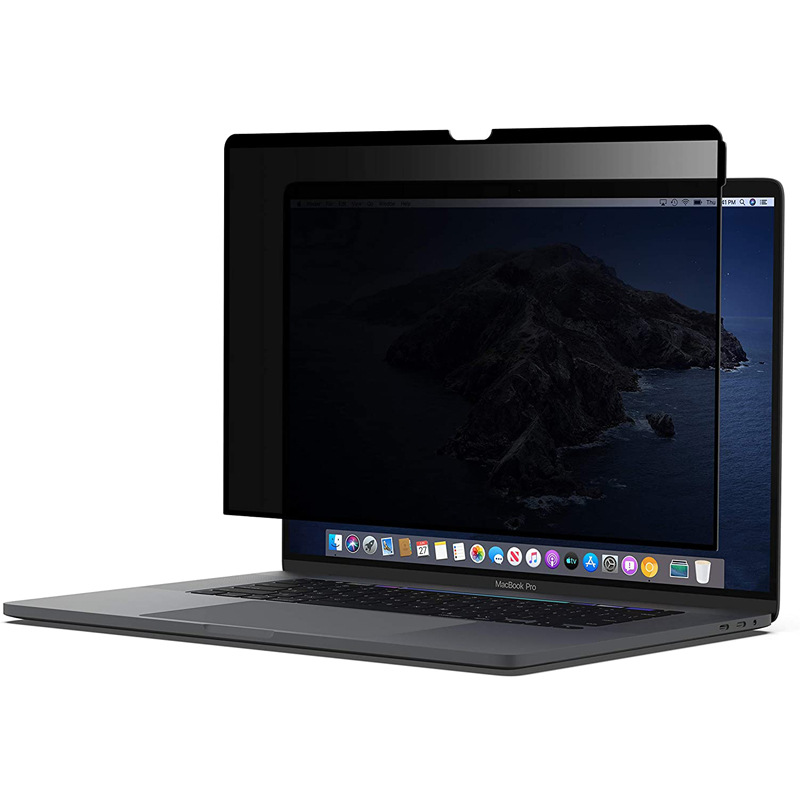
1.Magnetic PET Privacy Screen for Laptops/Tablets
Design: Features ultra-thin PET material embedded with microlouver technology, blocking lateral views while preserving clear vertical visibility.
Installation: Attaches seamlessly via side-mounted magnets, enabling quick removal and repositioning—ideal for shared or mobile work environments.
Market Appeal: Highly praised in Japan for its portability and compatibility with 13–17 inch devices, it reduces screen glare by 70% without compromising display brightness.
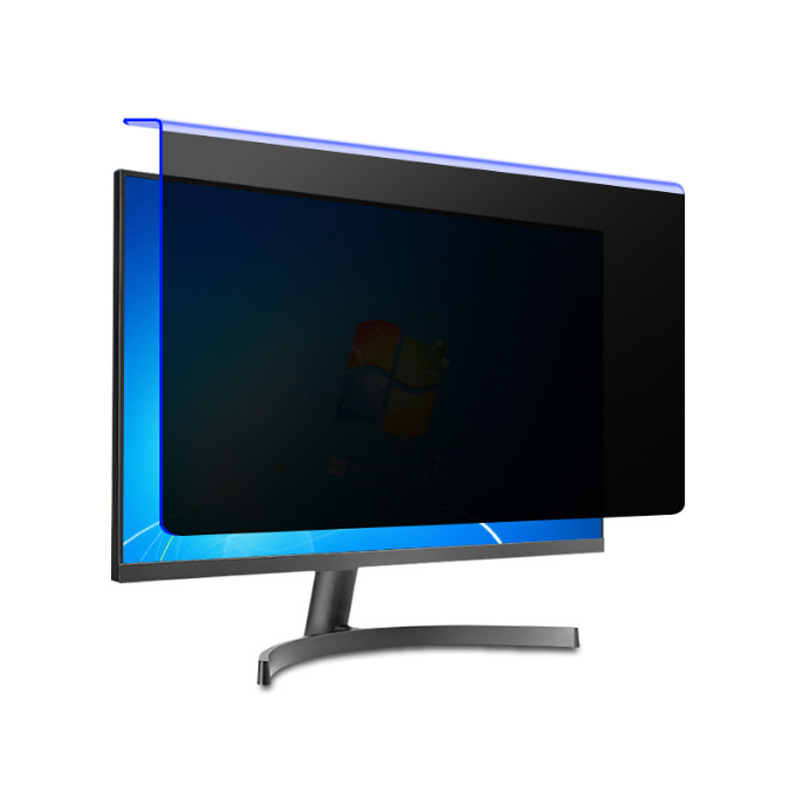
2. Hanging Acrylic Privacy Screen for Desktops
Design: Boasts a rigid acrylic panel with adjustable hooks, suitable for 22–32 inch monitors. Its anti-reflective coating enhances visibility even under bright lighting conditions.
Installation: Simply hangs onto the monitor bezel, eliminating adhesive residue and enabling rapid setup—a favorite in South Korea’s corporate sector.
Durability: Acrylic’s resistance to yellowing and heat (up to 80°C) ensures long-term use, outperforming standard PET in high-usage scenarios.
Technology Behind Privacy Screens
Both models leverage microlouver optical layers, a nano-scale structure mimicking Venetian blinds. This design narrows the viewing angle to 30–45 degrees, ensuring clear on-axis visibility while obscuring side views. Advanced variants integrate anti-blue-light coatings to alleviate eye strain—a feature increasingly sought after by remote workers.
Market Projections
Analysts forecast a 12.5% compound annual growth rate (CAGR) for the laptop privacy screen industry through 2030, with the Asia-Pacific region leading adoption due to its tech-savvy population and stringent data protection regulations. Innovations like magnetic and hanging designs are expected to capture 35% of the B2B market, particularly in the finance and healthcare sectors.
Conclusion
As hybrid work models become entrenched, demand for adaptable privacy solutions will continue to rise. The success of hanging and magnetic privacy protectors in Japan and South Korea highlights a global preference for balancing security with ergonomic design. Manufacturers are encouraged to prioritize eco-friendly materials and multi-device scalability to maintain a competitive edge.